What makes a Bedford home feel instantly right to a busy buyer? Often, it is not just square footage or finishes. It is whether the home looks easy to live in from the moment someone sees the first photo to the moment they walk through the front door. If you are getting ready to sell, smart staging can help buyers picture a smoother daily routine and a faster path to feeling at home. Let’s dive in.
Why staging matters in Bedford
Bedford offers a lifestyle built around convenience. The town describes itself as well connected to Manchester, Boston, I-93, I-293, Route 3, and Manchester-Boston Regional Airport, and it is also a mostly residential town that is close to build-out. That means many buyers are not just shopping for a house. They are looking for a home that supports an efficient, low-friction day.
That matters even in a market with limited inventory. Realtor.com's March 2026 snapshot showed 50 homes for sale in Bedford, a median listing price of $999,450, median days on market of 34, and a 100% sale-to-list price ratio, while labeling Bedford a seller's market. Even so, buyers still compare many homes online before they decide which ones are worth a visit.
According to the 2025 NAR staging profile, 83% of buyers' agents said staging made it easier for buyers to visualize a property as a future home. The same research found buyers were expected to view a median of 20 virtual homes and 8 homes in person before buying. In short, your home needs to photograph well, show clearly, and make everyday living feel simple.
Stage for how Bedford buyers live
Bedford's housing and commuting patterns tell a useful story for sellers. The town profile shows a strongly car-oriented routine, with 80.2% of workers driving alone and a mean commute time of 28.6 minutes. For many buyers, that makes the start and end of the day especially important.
When your home feels organized around real life, buyers notice. Clear drop zones, practical storage, and uncluttered rooms can help your home feel move-in ready instead of high maintenance. In a town with high owner occupancy and long average household stability, buyers are often thinking beyond the showing and imagining how the home will work for years.
Focus on easy daily routines
As you stage, think less about decoration and more about function. Your goal is to help buyers picture where bags land, where shoes go, where laundry gets handled, and where someone can sit down to work for an hour.
A few small adjustments can make a big difference:
- Create a clean, obvious front entry
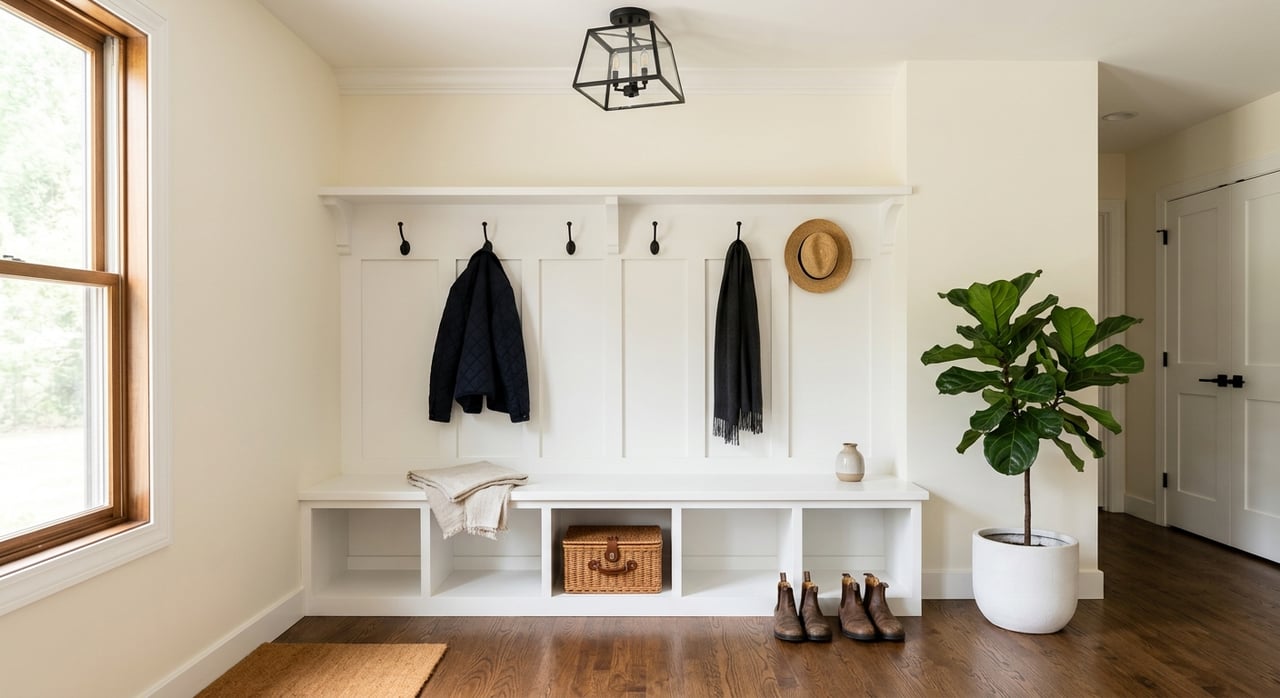
- Show a mudroom or side entry with simple coat and shoe storage
- Tidy the garage so it reads as usable space, not overflow storage
- Clear pantry and laundry areas so they feel efficient
- Give any flex space one clear purpose
- Hide cords and simplify desks or media centers
Start with the rooms buyers care about most
Not every room needs the same level of attention. If you want the best return on your effort, start where staging tends to matter most.
The 2025 NAR staging profile ranked the living room as the most important room to stage, followed by the primary bedroom and the kitchen. Those rooms shape first impressions, listing photos, and how buyers emotionally connect to the home.
Living room
Your living room should feel open, calm, and easy to use. Remove extra chairs, oversized sectionals, and decor that makes the room feel crowded. If possible, arrange seating to create a natural conversation area and maintain clear walking paths.
Buyers should be able to understand the room in a few seconds, especially in photos. Keep surfaces simple and use just enough furniture to define the space. If the room has large windows or a nice view, let that feature lead.
Primary bedroom
The primary bedroom should feel restful and spacious. Keep bedding simple, limit furniture to essential pieces, and clear off dressers and nightstands. A calm bedroom helps buyers imagine ending a long day in a space that feels settled.
Closets matter here too. You do not need an empty closet, but you do want it to feel usable. Reduce what is inside so buyers can see available storage at a glance.
Kitchen
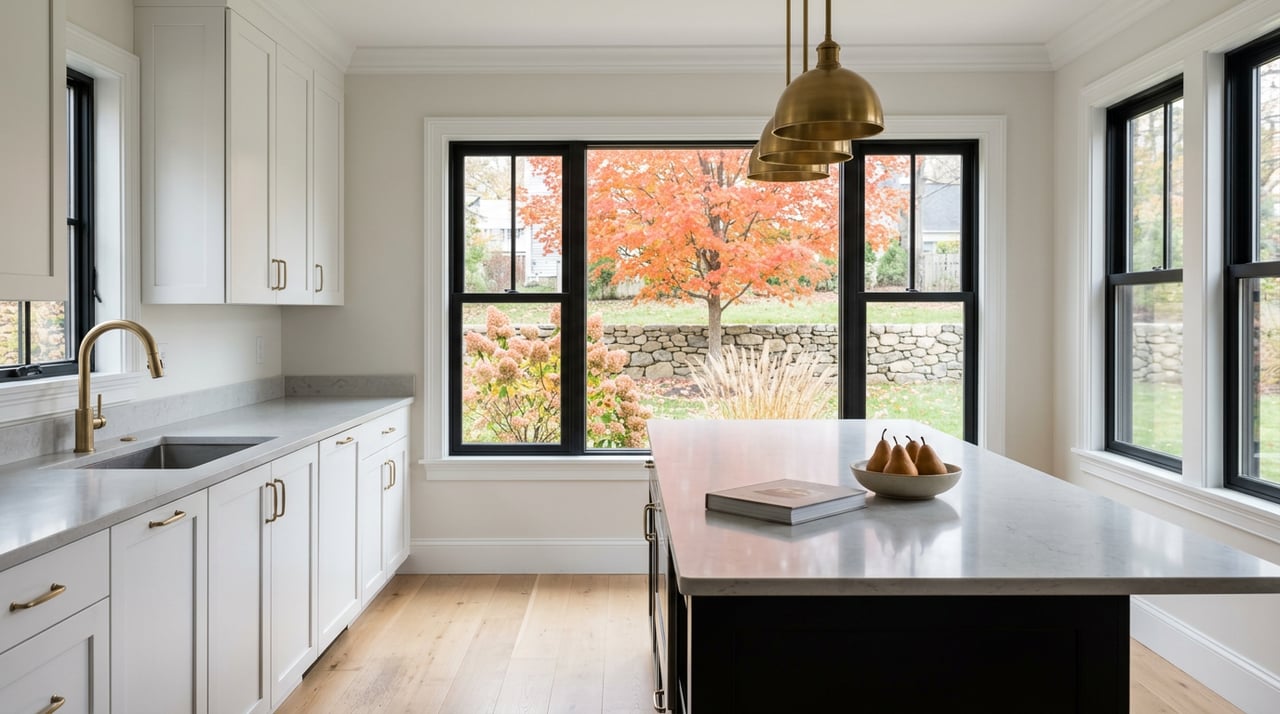
A Bedford kitchen should read as both functional and welcoming. Clear counters as much as possible, leaving only a few purposeful items. Buyers want to see prep space, storage, and room to gather.
If you have an island, make sure it looks useful, not crowded. Remove paperwork, small appliances, and decorative extras that compete with the room itself. Clean lines and open surfaces help the kitchen feel larger and easier to maintain.
Do not overlook entry, mudroom, and garage
For Bedford homes, these spaces can have outsized value. Since so many residents commute by car, buyers often notice how the home handles the arrival home moment. If that first transition feels smooth, the entire property can feel more livable.
Your front entry should be clean and uncluttered, with a simple mat, tidy lighting, and room to move. A mudroom or side entry should suggest a place for coats, shoes, backpacks, and seasonal gear. The garage should feel like it can hold vehicles and still support storage needs.
Show a clear drop zone
You do not need custom built-ins to make this work. A bench, a few hooks, and a neat shelf can tell the story. The point is to show buyers that the home has a system for busy weekdays.
This practical kind of staging often feels more believable than heavily styled decor. In Bedford, where convenience is part of the value story, that matters.
Make storage look useful, not full
Storage spaces can either reassure buyers or make them worry that the home lacks capacity. Pantries, laundry rooms, closets, and utility areas should feel edited and functional. If they are packed tight, buyers may assume there is not enough room.
Bedford's census profile shows a highly stable, highly educated, mostly owner-occupied community. That does not mean every buyer wants the same thing, but it does suggest many are thinking about long-term organization and daily function. Well-staged storage helps support that mindset.
Tidy these hidden workhorses
Before photos or showings, spend time on the spaces buyers open and inspect:
- Hall closets
- Bedroom closets
- Pantry shelves
- Laundry areas
- Linen closets
- Garage shelving
Aim to remove enough so each space looks easy to manage. Neat labels, matching bins, and clear floor space can help, but do not overdo it.
Give flex spaces a clear job
Many buyers need rooms that can adapt to work, study, hobbies, or guests. Bedford also has strong household computer and broadband access, according to Census QuickFacts, so buyers are likely to notice whether a flex space feels truly usable. A room with no clear purpose can feel like wasted square footage.
Choose one role for each extra space before photos are taken. A small corner can become a compact work nook. A bonus room can read as a media room, office, or guest space, but it should not try to be all three at once.
Manage cords and tech clutter
Visible cables can make even a nice room feel chaotic. Hide charging cords, reduce desktop items, and remove extra monitors or accessories if they are not needed for the look of the space. In listing photos, simplicity reads better than realism.
This is especially important if buyers are scrolling quickly on their phones. The cleaner the room looks online, the easier it is for them to imagine themselves there.
Prepare for photos first, then showings
Online presentation drives early interest. NAR found that photos were even more important than physical staging to buyers' agents, while videos and virtual tours were also highly valued. That means your staging plan should start with what the camera sees.
Before photography day, remove everyday clutter, personal family photos, and anything that confuses a room's purpose. Simplify bathroom and kitchen surfaces, open blinds where appropriate, and replace dim lighting if needed. NAR also notes that fresh paint and updated lighting can help refresh a home's presentation.
Use a low-stress, move-in-ready message
For Bedford sellers, one of the strongest staging themes is simple: make the home feel easy to step into. Bright rooms, clean sightlines, organized storage, and practical layouts help buyers see a home that supports real life. That message fits the town's commuter patterns, owner-occupancy mix, and online-first home search behavior.
You do not need to make your home look generic. You do need to make it feel clear, cared for, and easy to understand.
A simple Bedford staging checklist
If you want a practical place to start, focus on these steps:
- Stage the living room, primary bedroom, and kitchen first
- Edit furniture to improve flow and openness
- Clear counters, dressers, and bathroom surfaces
- Remove personal photos and excess decor
- Create a tidy entry or mudroom drop zone
- Organize closets, pantry, and laundry spaces
- Simplify garage storage
- Define every flex room with one clear purpose
- Hide cords and tech clutter
- Freshen paint or lighting where presentation feels dated
- Prep the home for photos before scheduling showings
The goal is not perfection. The goal is helping buyers quickly understand how your Bedford home can support a busy, comfortable lifestyle.
If you are preparing to sell, a disciplined staging plan can help your home stand out for the right reasons. And when your marketing, photos, and presentation all work together, buyers have an easier time seeing the value from day one. If you want hands-on guidance on pricing, presentation, and marketing your Bedford home, connect with Chris Pascoe.
FAQs
How important is home staging for selling a Bedford home?
- Staging can be very helpful because buyers often compare many homes online first, and NAR reported that 83% of buyers' agents said staging made it easier for buyers to visualize a property as a future home.
Which rooms should sellers stage first in a Bedford house?
- Based on NAR's 2025 staging profile, sellers should focus first on the living room, then the primary bedroom, and then the kitchen.
What kind of staging appeals to Bedford buyers with busy schedules?
- Practical staging tends to work well, including an organized entry, mudroom or drop zone, clear kitchen counters, tidy storage, and flex spaces that show an obvious everyday use.
Should Bedford sellers stage the garage and mudroom?
- Yes, those spaces can matter because Bedford has a strongly car-oriented commuting pattern, so buyers may respond well to homes that show easy storage for coats, shoes, bags, and gear.
What should sellers remove before Bedford listing photos?
- Remove everyday clutter, personal family photos, excess decor, visible cords, and anything that makes a room's purpose unclear, while keeping surfaces clean and open.
Can staging still matter in Bedford's seller's market?
- Yes, because even in a market with limited inventory, buyers still compare homes closely online and staged homes may help support stronger offers and less time on market according to NAR findings.