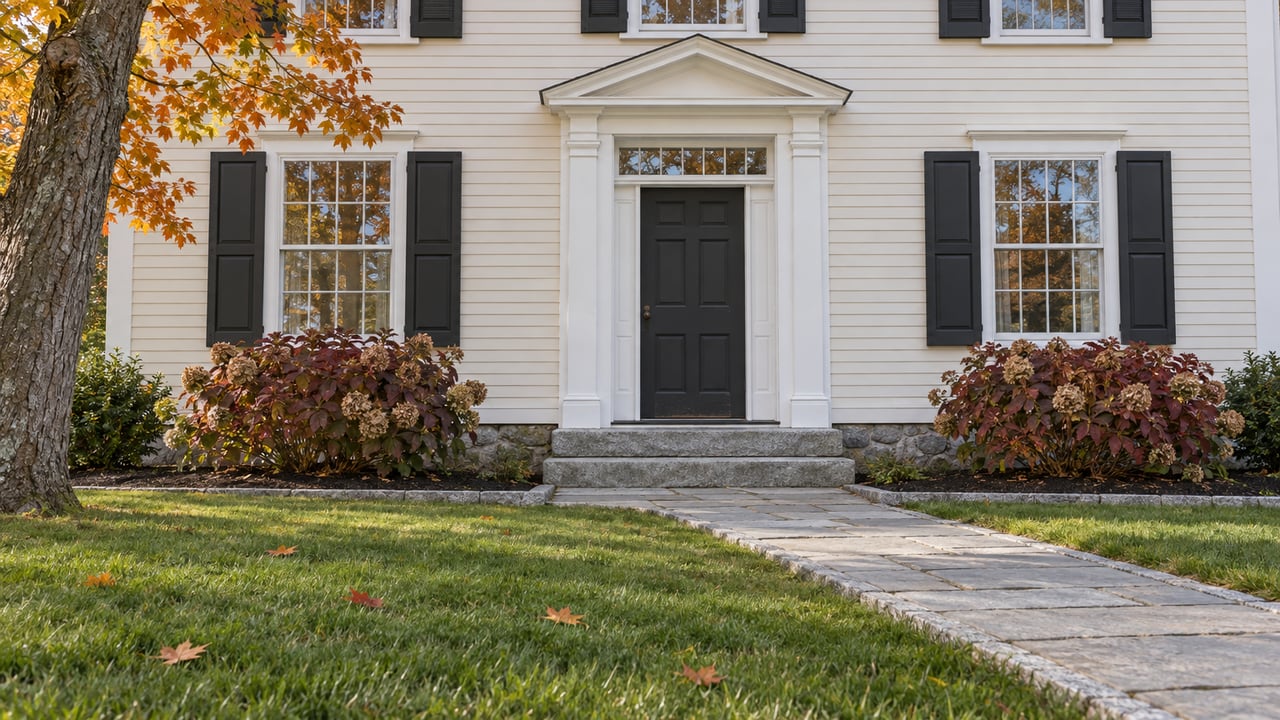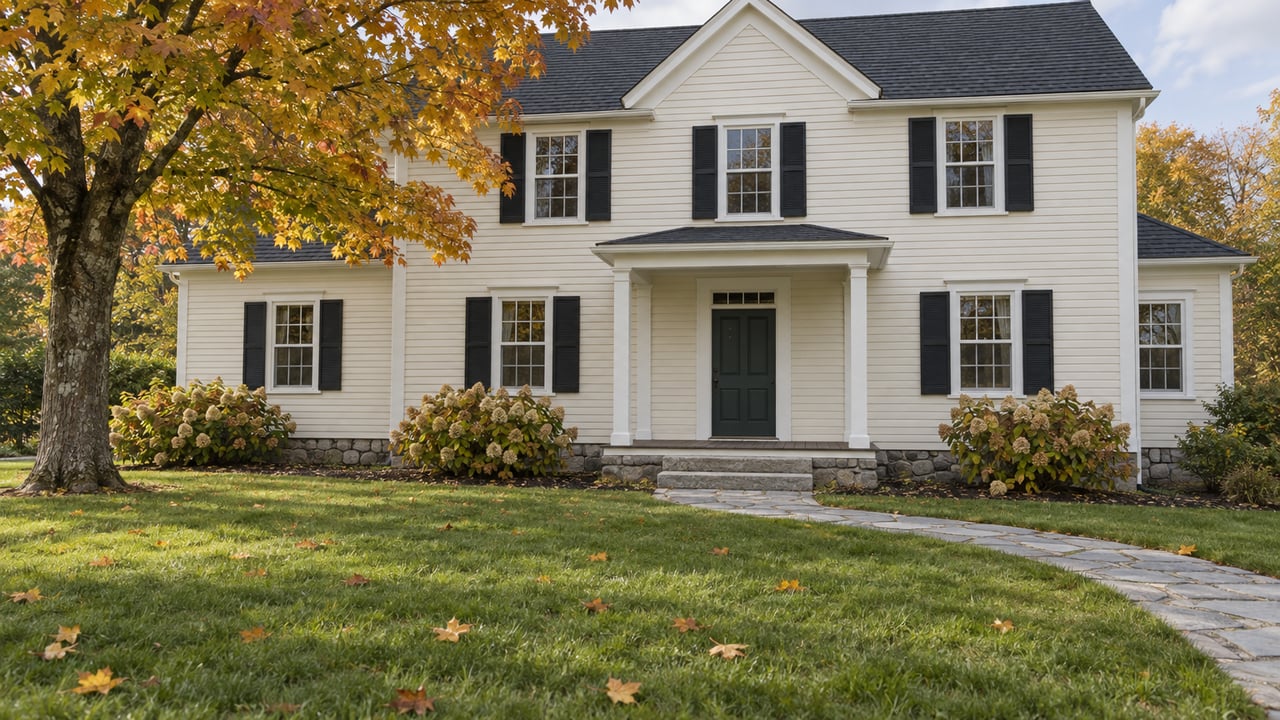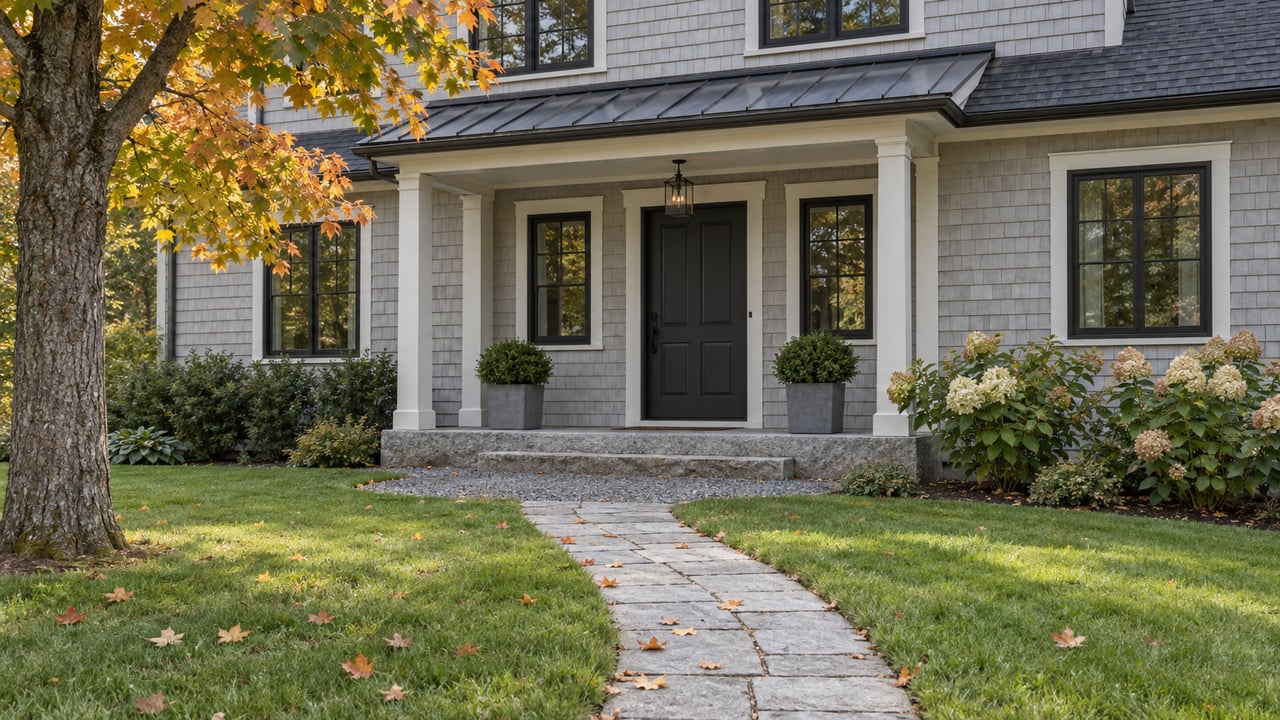
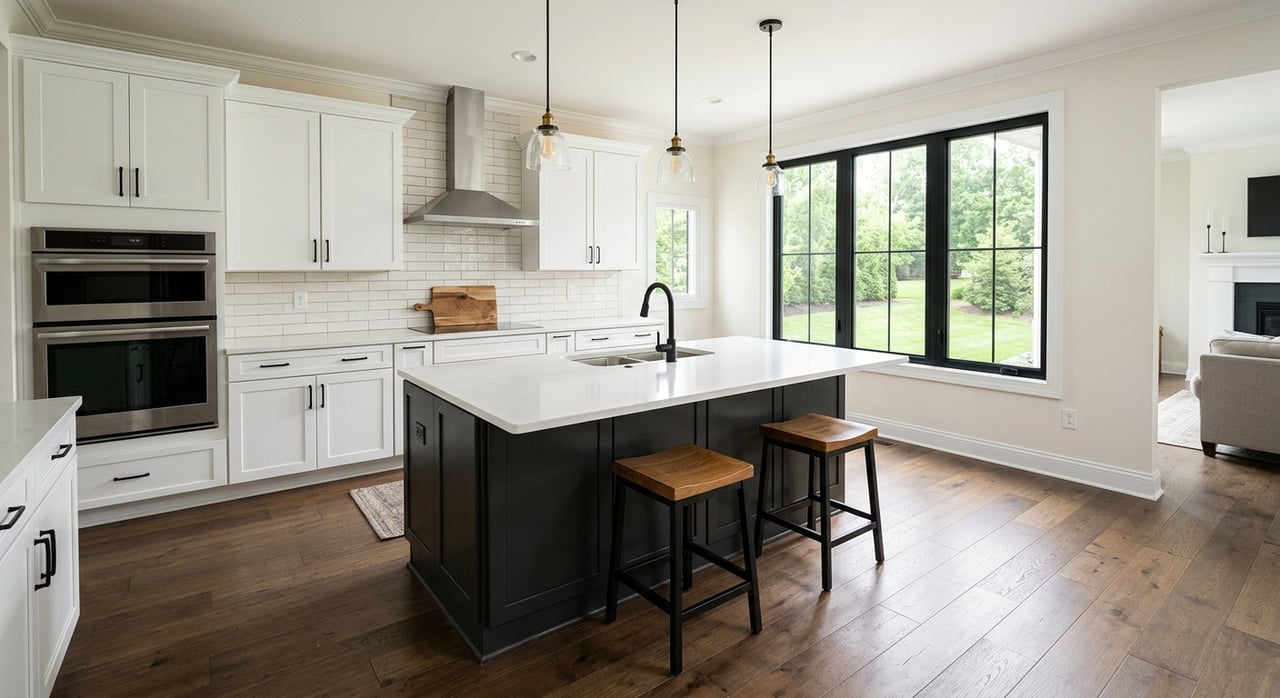
Wondering what everyday life in Bedford, NH really feels like once the moving boxes are gone? If you are trying to picture your routine here, the answer is pretty practical: Bedford offers a residential, homeowner-focused lifestyle with easy access to shopping, parks, schools, Manchester, and major commuter routes. Knowing how errands, traffic, recreation, and household costs work day to day can help you decide if Bedford fits the way you want to live. Let’s dive in.
Bedford's Daily Rhythm
Bedford is a town of 23,856 residents spread across 32.78 square miles, according to the U.S. Census QuickFacts profile for Bedford. With 82.9% of housing units owner-occupied, it has a clear homeowner-heavy feel that many buyers associate with a stable suburban routine.
The town describes itself as an upscale residential community that is mostly residentially zoned and close to build-out. In day-to-day terms, that often means neighborhoods feel established rather than fast-changing, and much of your routine is centered around home, school schedules, errands, and getting around by car.
Bedford also sits right next to Manchester and about 50 miles from Boston. That location gives you some breathing room from a more urban setting while still keeping larger employment centers, dining, and travel options nearby.
Getting Around Bedford
If you live in Bedford, you will likely drive for most of your daily needs. The average travel time to work is 25.3 minutes, according to the Census profile, but the town is firmly car-oriented.
Major roads include Routes 101, 114, and 3, along with I-293 and the F.E. Everett Turnpike, as noted by the local fire department information summarized in the research report. That road network makes regional travel practical, but it also means traffic can shape your schedule, especially during rush hour.
Town planning materials note that about 70,000 vehicles cross the I-293/Route 101 bridge over the Merrimack River each day. If your job, school drop-off, or errands take you through those main corridors, timing matters.
What commuting often looks like
A typical Bedford commute is less about transit options and more about route planning. You may find yourself choosing departure times carefully, especially if you are heading toward Manchester, highway interchanges, or the retail areas during busy periods.
At the same time, Bedford's location is one of its strongest lifestyle advantages. The town says Interstates 93 and 293 and Route 3 provide access to the Lakes Region, White Mountains, and the Boston-area corridor, and Manchester-Boston Regional Airport is directly accessible from Bedford.
Schools and Family Routines
For many households, daily life in Bedford is structured around school calendars and after-school activities. The Bedford School District / SAU 25 operates six public schools: Memorial School, Peter Woodbury School, Riddle Brook School, McKelvie Intermediate School, Ross A. Lurgio Middle School, and Bedford High School.
That setup helps shape traffic patterns, morning routines, and how families organize their afternoons. Even if you do not have school-age children, school schedules still influence how busy certain roads and community spaces feel throughout the week.
The Bedford Police Department also notes that it has two school resource officers, one assigned to Bedford High School and one serving Ross A. Lurgio Middle School and the elementary schools. From a day-to-day standpoint, that reflects coordination between schools and local public safety.
After-school and weekend structure
Bedford offers several local resources that help fill afternoons, evenings, and weekends. The Bedford Public Library provides meeting rooms and a calendar of activities, while Parks & Recreation offers programs for all ages, senior programming, and Camp Witzel.
For many residents, that means you do not always need to leave town to find a class, event, or activity. Your weekly rhythm can stay fairly local, which is a real convenience in a community where driving is part of daily life.
Parks, Trails, and Outdoor Time
One of the more noticeable parts of Bedford living is access to outdoor spaces. According to the town's 2025 annual report, Bedford maintains 15 recreational fields, five parks, 4.5 miles of trails, and a town pool.
The parks listed by the town include Bedford Village Common, Benedictine Park, Mueller Park, Earl Legacy Park, and Bedford Waterfowl Park. The trail system includes the Bedford Heritage Trail, Bedford Eagle Trail, Legacy Trails, Goad's Trail, and the Van Loan Preserve.
That gives everyday life a more outdoorsy option, even if you are not looking for a major adventure. A walk after dinner, a weekend visit to a park, or time at the pool can be part of a normal week rather than a special outing.
A town with a conservation mindset
Bedford's outdoor culture is not accidental. The town's Conservation Commission has been working since 1965 to protect natural resources, and Trail Stewards help inspect, maintain, repair, and expand trails on town properties.
For residents, that often translates into well-used local spaces and a visible appreciation for keeping natural areas part of town life. If you value having green space woven into a suburban routine, Bedford supports that well.
Running Errands Close to Home
A practical part of Bedford living is that many everyday errands can stay in town. The town specifically highlights major retailers including Whole Foods, Trader Joe's, REI, Target, and Lowe's, which gives residents a convenient mix of grocery, home improvement, and general shopping options.
That convenience matters more than it may seem at first. In a car-dependent community, cutting down on extra driving can make your week feel much easier, especially when you are balancing work, appointments, and family commitments.
Because Bedford borders Manchester, you also have additional shopping and dining nearby when you want more options. But for many households, the ability to handle routine needs locally is a big part of Bedford's appeal.
Homeownership Basics Matter Here
If you own a home in Bedford, some of the daily and monthly realities are tied directly to property ownership. The town's resident transfer station at 77 Chubbuck Road requires stickers and proof of Bedford residency, which is one of those practical details that becomes part of your routine once you live here.
That may not be glamorous, but it is useful to know before you move. In a homeowner-heavy town, details like waste disposal, home maintenance, and seasonal upkeep are part of what day-to-day life looks like.
Cost of living in Bedford
Bedford is not generally thought of as a lower-cost suburb. The Census reports a median owner-occupied home value of $612,100, median gross rent of $2,099, and median monthly owner costs with a mortgage of $3,239 in the local QuickFacts data.
Property taxes are an important part of the financial picture. The town says the 2025 property tax rate is $16.49 per $1,000 of assessed value, and a 2026 revaluation is underway.
New Hampshire does not have a broad sales or income tax, so many households pay close attention to property taxes when comparing overall costs. If you are planning a move, it helps to look at the full monthly picture rather than just the purchase price.
Remote Work and Connected Living
Bedford also fits many modern work-from-home or hybrid routines. Census data shows that 96.2% of households have a broadband subscription, and 63.0% of adults have a bachelor's degree or higher in the community profile.
Those numbers help explain why Bedford can work well for professionals who need reliable connectivity and want a suburban home base. You can be locally rooted while still staying connected to employers, clients, or teams in other markets.
For some buyers, that is the sweet spot. You get space and a residential setting without giving up regional access.
What New Residents Should Expect
If you are relocating from out of state, there are a few practical items to handle early. Bedford's New Residents page notes that New Hampshire law requires new residents to change an out-of-state driver's license and register vehicles within 60 days.
That is the kind of move-in detail that can sneak up on people during a busy transition. Getting ahead of it can make your first few weeks in town feel much more organized.
Overall, day-to-day life in Bedford tends to feel structured, convenient, and residential. You are likely to spend your time balancing work, school or activity schedules, errands, and time at home, with parks, trails, and regional access adding flexibility when you want it.
If you are thinking about buying or selling in Bedford, working with a local advisor who understands commuter-town routines, housing costs, and relocation logistics can make the process much easier. When you are ready for direct, hands-on guidance, connect with Chris Pascoe for help navigating your next move.
FAQs
What is daily life like in Bedford, NH for homeowners?
- Daily life in Bedford often centers on homeownership, driving, local errands, school schedules, and outdoor recreation, with many residents handling routine needs within town.
What is commuting like from Bedford, NH?
- Commuting in Bedford is mostly car-based, with access to Routes 101, 114, 3, I-293, and nearby regional highways, but traffic can be heavier during rush hour and around key retail areas.
What amenities are available in Bedford, NH for everyday living?
- Bedford offers major retailers, a public library, Parks & Recreation programs, parks, trails, recreational fields, and a town pool, which support many day-to-day needs and activities.
What should new residents know before moving to Bedford, NH?
- New residents should plan for vehicle and license updates within 60 days if moving from out of state, and homeowners should also be aware of practical local details like transfer station residency requirements and property taxes.
Is Bedford, NH a good fit for remote or hybrid work?
- Bedford can fit remote or hybrid work well because Census data shows high broadband subscription rates, and its location offers both residential space and access to Manchester, Boston-area routes, and the regional airport.