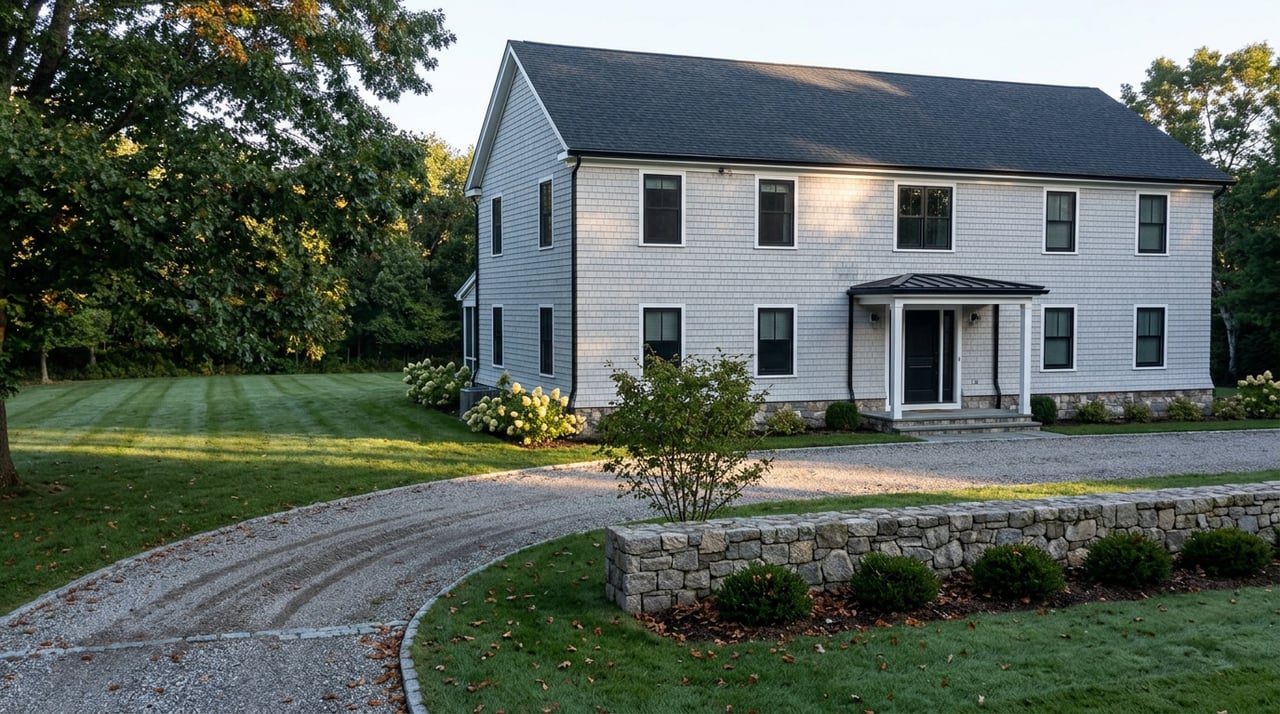

Thinking about selling your Londonderry home but unsure whether to hit the market in spring or wait for summer? You are not alone. Timing can influence how fast you sell, how many buyers you attract, and how much leverage you have at the negotiation table. In this guide, you will learn how seasonality plays out in Londonderry and Rockingham County, what to expect April through August, and how to plan a clean pre-list timeline that fits your goals. Let’s dive in.
Spring vs. summer in Londonderry
Spring and early summer are the strongest selling windows for much of New England. National analyses show buyer activity ramping up in early spring, peaking in late spring, and holding into early summer before slowing later in the season. You can review broader patterns through the National Association of REALTORS’ research hub, which shares ongoing housing market analyses and reports on seasonality (NAR Research and Statistics).
At the local level, Rockingham County usually sees more new listings in March through May and heavy buyer traffic from mid to late April through June. Families often plan moves around the school calendar, which amplifies spring demand. Summer remains active, especially for relocations and buyers with flexible schedules, but showings can dip during peak vacation weeks.
If you want county-level numbers that reflect current conditions, the New Hampshire Association of REALTORS publishes monthly reports that include Rockingham and Strafford counties. You can use these to track inventory, days on market, and pricing trends before you finalize your list date (NHAR market statistics).
When buyers shop most
In most years around Londonderry, buyer interest grows through early spring and is strongest from mid to late April into June. New listings also cluster in this period, which means you will face more competition even as more buyers are touring.
Summer still brings serious buyers, including relocations tied to regional employment centers. That said, July can see uneven showing activity due to vacations and long weekends. By August, some buyers pause to focus on back-to-school planning.
If you want deeper context on pricing and inventory patterns, explore county trendlines from two data resources: Zillow Research for home value and inventory time series (Zillow Research) and Redfin’s market-level dashboards for seasonality context (Redfin Data Center).
Spring listing: pros and cons
Pros
- Strong buyer traffic and more showings per listing in many years.
- Historically supportive pricing in late spring when demand is high.
- Better curb appeal after green-up, which improves photography and first impressions.
Cons
- More competition because many sellers list the same weeks.
- Early spring weather in New Hampshire can mean muddy yards or lingering snow, so you must time exterior photos and landscaping.
- If you are not ready, you risk rushing into a crowded window.
Summer listing: pros and cons
Pros
- Solid buyer pool remains, especially relocations and those with flexible schedules.
- In some price bands there can be slightly less new-listing competition than the peak spring surge.
- Good for sellers who need time for renovations or prefer a summer closing.
Cons
- Buyer attention can spread out during vacations, which can reduce showings during certain weeks.
- Late summer often slows as families shift to school planning.
- In some years, prices stabilize after late-spring highs.
Price-band and property-type nuance
Not every price point moves the same. Entry-level homes can stay competitive across both spring and summer because more buyers can afford them. Mid-market family homes usually benefit from spring momentum due to the school calendar. Upper-price properties sometimes require longer marketing windows and may be less sensitive to week-to-week swings, but you still want to avoid obvious low-traffic weeks.
If new construction is delivering nearby, that can add competition for certain styles or price points. Your agent should show you current and upcoming inventory so you can plan around it.
Your action plan by target list date
A disciplined plan is the best hedge against timing risk. Work backward from your ideal list date so you can control the details that raise your net price: condition, presentation, and marketing.
Target a late-April or May list date
Start 8 to 12 weeks before you want to go live.
Week -12 to -10
- Interview and hire your listing agent. Ask for a comparative market analysis and local stats by price band.
- Consider a pre-list home inspection to surface repairs early.
- Book any major contractors (roof, HVAC, structural repairs).
- Begin decluttering and plan staging needs.
Week -9 to -6
- Complete major repairs and deep clean the interior.
- Tackle quick cosmetic updates: neutral paint, hardware, light fixtures.
- Start landscaping cleanup and plan for fresh mulch and potted plants. Adjust timing if mud season lingers.
Week -5 to -3
- Finalize staging. Schedule professional cleaning.
- Hire a photographer and videographer. Set your pricing strategy with your agent based on current inventory and pendings.
- Gather required disclosures and any HOA documents.
Week -2 to 0
- Complete photography and floor plans after green-up for the best curb appeal.
- Create marketing materials. Consider a quiet preview to your agent’s buyer network if appropriate.
- Activate on MLS late in the week, often Thursday evening or Friday morning, to maximize weekend showings.
Target a mid-June list date
Use the same structure and timeframe, with two seasonal tweaks:
- Use late April through May to complete exterior projects when weather is more reliable. This can lift your photography and online first impression.
- If you plan to appeal to summer relocations, make sure your marketing goes live at least one to two weeks before peak July moving periods.
Read the market before you list
Ask your agent for current, local, and price-band-specific data. Rely on the numbers that match your property type rather than broad town averages.
Metrics to request:
- Active listings and new listings per month for Londonderry and nearby neighborhoods.
- Median days on market by month and by your price band.
- Months of inventory and absorption rate for your price band. Months of inventory equals active listings divided by monthly closed sales.
- List-to-sale price ratio by month to see how much negotiating leverage sellers have.
- Showing activity trends, if available.
- Comparable pending and contingent listings to understand immediate competition.
- Recent closed sales that match your style, size, and age. Note their list date and days on market.
- Seasonality charts that show when sales and prices peaked in recent years.
- Any local new-construction pipeline that could add competing supply.
How to read the signals:
- Low months of inventory, generally under four months, often indicates a seller’s market. Higher than six months often tilts toward buyers.
- Falling days on market and rising list-to-sale price ratio usually signal stronger buyer demand.
- If your price band is thin on supply in summer, a June list date can perform well with less head-to-head competition.
For raw data, your agent will typically pull MLS statistics. You can also review monthly statewide and county reports for Rockingham and Strafford counties through the New Hampshire Association of REALTORS (NHAR market statistics). For big-picture trendlines, NAR’s research library offers national seasonality context you can compare to your local read (NAR Research and Statistics).
Local considerations that matter
- School calendar: Family buyers often target late spring listings so they can close over summer. This usually supports a late-April to mid-June window.
- Commuters: Proximity to Manchester and regional highways keeps buyer interest steady into summer, especially for weekend tours.
- Weather: Plan exterior work and photos after lawns green up. Avoid muddy conditions whenever possible.
- Documentation: Confirm property details and tax records early through municipal sources like the Town of Londonderry’s assessing and property records pages (Town of Londonderry). If you need to verify recorded documents, the Rockingham County Registry of Deeds is the official source (Rockingham County Registry of Deeds).
Recommendation: spring vs. summer
If your home is market-ready and you can present strong curb appeal, a late-April through mid-May list date often positions you in front of peak buyer traffic with supportive pricing momentum. If you need more time for repairs or staging, aim for mid-June and try to avoid the last two weeks of July, when vacations can mute showings. Above all, let local metrics guide you. The best month is the one where your price band shows tight supply, quick absorption, and strong showing activity.
Where to find trustworthy data
- Review national and regional seasonal context through the National Association of REALTORS to understand broader patterns (NAR Research and Statistics).
- Pull county-level monthly trends for Rockingham and Strafford through the New Hampshire Association of REALTORS (NHAR market statistics).
- Explore inventory and home value time series at Zillow Research to watch trend direction (Zillow Research).
- Check Redfin’s data center for additional seasonality visuals and market dashboards (Redfin Data Center).
- Your agent will list and track your property through the regional MLS, which is the primary source for local listings and market stats (MLS PIN).
Ready to plan your list date?
You do not need to guess. With a clear pre-list plan, current local stats, and disciplined execution, you can position your Londonderry home for a strong sale in either spring or summer. If you want a personalized timeline, pricing strategy by price band, and a clean prep checklist, reach out to schedule a quick consult with Chris Pascoe. You will get direct, responsive guidance and a plan that fits your goals.
FAQs
When is the best month to list in Londonderry?
- Late April through mid June is often the prime window, but the best month for you depends on current inventory and days on market in your price band.
How does the school calendar affect my sale timing?
- Many family buyers try to close over summer, which usually lifts demand for late spring listings that can settle before the new school year.
Is summer a bad time to sell in Rockingham County?
- Not at all; summer has a solid buyer pool, especially relocations, but plan around vacation weeks and use current local metrics to price and launch strategically.
Should I delay listing to finish renovations?
- If repairs need more than 4 to 6 weeks, a mid June list can work well; prioritize quick, high impact updates so you do not miss strong late spring traffic if your schedule allows.
What data should I ask my agent to provide before I list?
- Request months of inventory, median days on market, list to sale price ratio, recent comparable sales, and current competing listings in your exact price band.