Wondering what price will attract serious buyers in Windham right now? You want a number that feels fair, moves quickly, and holds up through appraisal. At the same time, you need to present your home so it rises to the top of a crowded search. In this guide, you will learn how to set a realistic asking price and position your property with condition, staging, and marketing that pull in qualified buyers. Let’s dive in.
Know the market basics
Smart pricing starts with fresh local data. Before you list, gather a simple snapshot of Windham and nearby Rockingham and Strafford County activity. Focus on:
- Active inventory and months of supply. This shows buyer versus seller leverage.
- Median and average sold price for the last 3 to 6 months and the trend versus last year.
- Median days on market for recent sales and for current active listings.
- List-to-sale price ratio and the share of homes selling at or above list.
- Median price per square foot by neighborhood or subdivision.
- Inventory mix: single-family versus condos, plus any new construction.
- New listings per month and the pending-to-active ratio to gauge demand.
- Expired or withdrawn listings to spot overpricing patterns.
Use your local MLS, New Hampshire Association of Realtors reports, and town and county records for accuracy. National headlines can be helpful, but your pricing should be rooted in Windham comps and current supply-demand.
Build a local CMA
A comparative market analysis, or CMA, is your foundation. Keep the focus tight and relevant.
Choose the right comps
- Time window: start with closed sales in the last 3 to 6 months. Stretch to 12 months only if inventory is thin.
- Proximity: stick to the same subdivision or within 0.5 to 1 mile when possible.
- Similarity: match finished square feet, lot size, age, bedroom and bath count, and style.
Adjust for key differences
Use clear, conservative adjustments for items that move value:
- Condition and updates, especially kitchens and baths.
- Finished lower levels, usable basements, and garage size.
- Lot size, privacy, outbuildings, and any notable views.
- Systems and big-ticket items like roof, septic, well, and chimneys.
Read pricing signals
- Compare list-to-sale price ratios to see how close similar homes sell to their ask.
- Watch days on market for comps. Short DOM with tight ratios suggests room to price with confidence.
- Note new competing listings. A fresh, similar property can shift buyer perception overnight.
Price strategies that work
Your strategy should fit the data and the depth of current demand.
Market value pricing
This means pricing at your fair market estimate from the CMA. Pros: attracts the right buyers and often leads to a smoother, faster sale. Cons: you may still negotiate, so plan your bottom line.
Slightly under-market
In a tight market, a small under-list can spark urgency and multiple offers. Pros: more showings and a faster timeline. Cons: if supply is not tight, you could leave money on the table.
Aspirational pricing risks
Testing high can backfire. Overpricing tends to increase days on market and can lead to later reductions. Multiple cuts can reduce buyer confidence and make your listing feel stale.
Psychological price bands
Buyers search in rounded bands. Think about $699,900 versus $710,000 and how each falls into search filters. Choose the approach that matches how local buyers are searching right now.
Position your home to win
Price sets the expectation. Positioning delivers on it by shaping buyer perception.
Condition and repairs
- Consider a pre-listing inspection, especially if your home is older or you suspect issues. It can reduce surprises and help you price with clarity.
- Tackle small, high-impact fixes like paint, hardware, lighting, and simple landscaping. These often deliver strong ROI.
- For larger items, weigh whether to repair or credit. Known material defects must be disclosed. Set price and terms accordingly.
Staging and photos
First impressions drive clicks and showings.
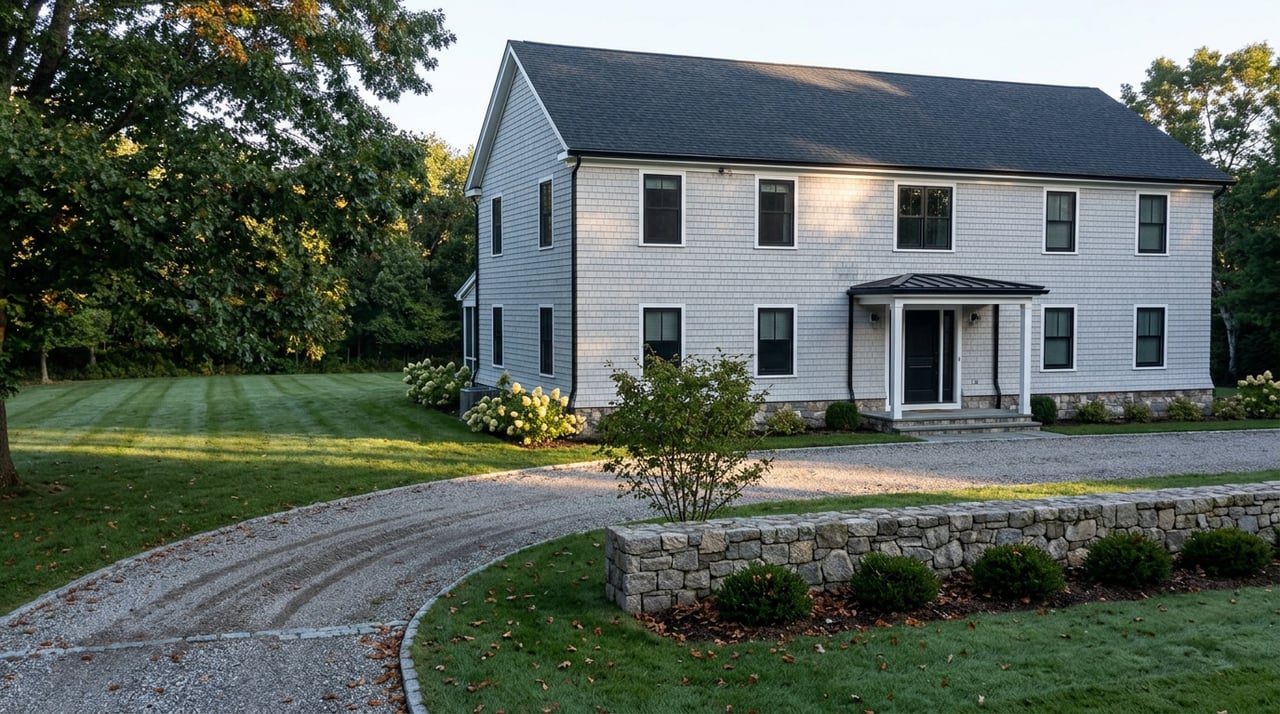
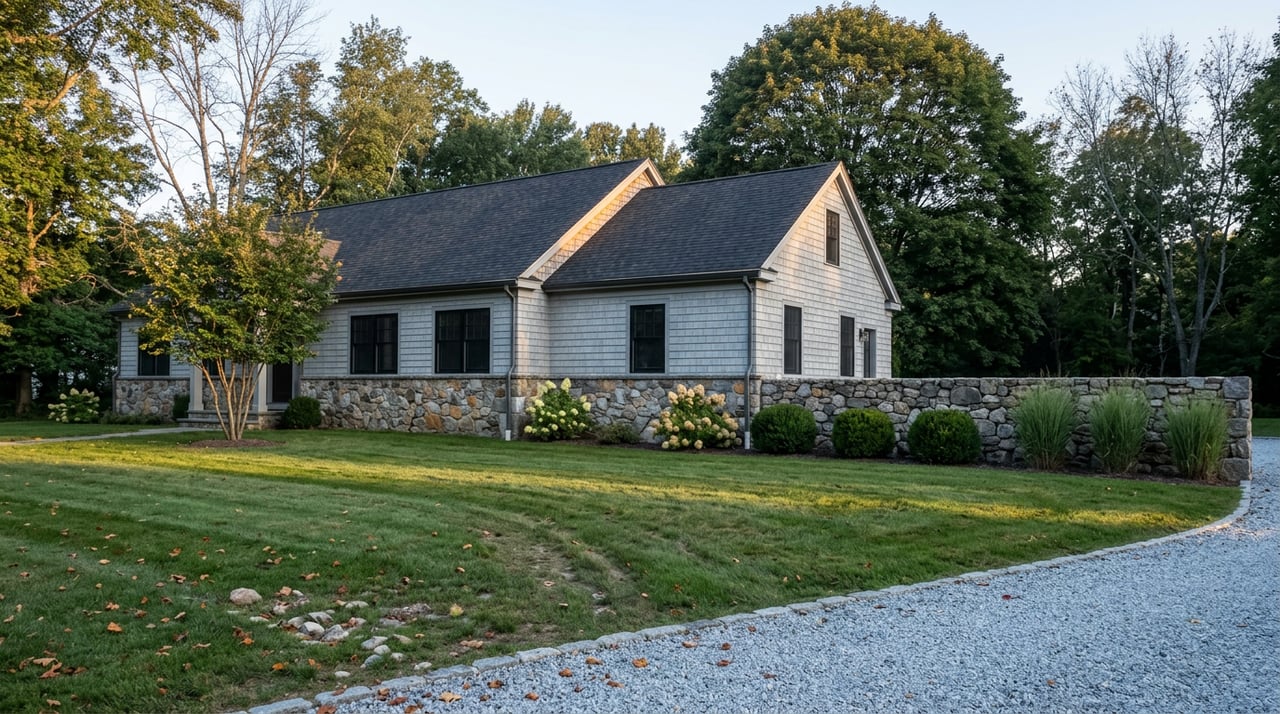
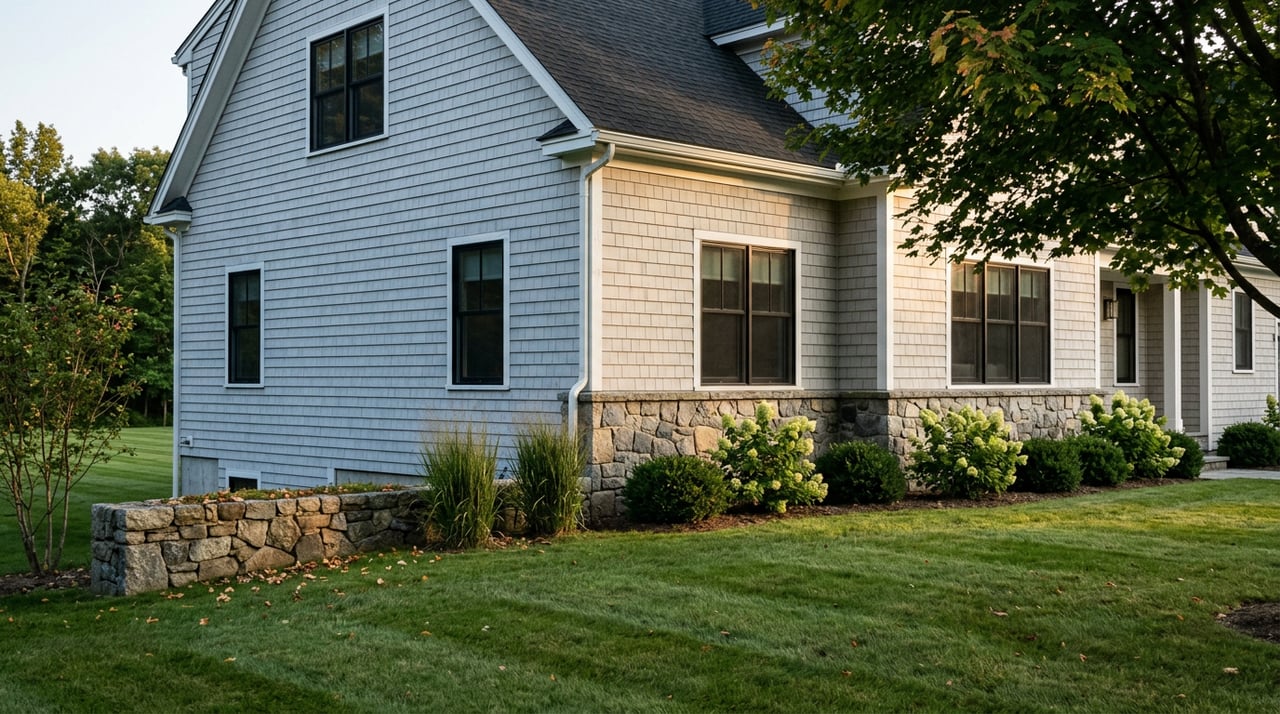
- Curb appeal: mow, edge, refresh plantings, power wash, and paint the front door and trim if needed.
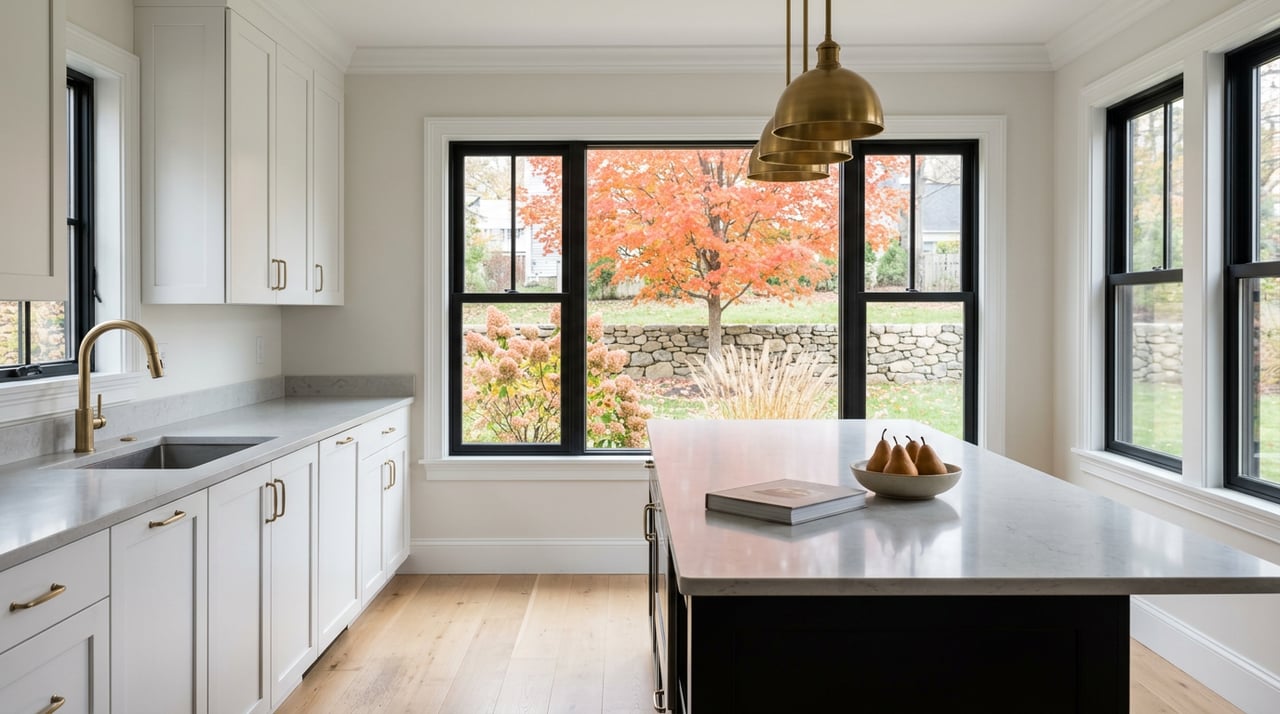
- Interior: remove clutter, neutralize bold decor, and highlight space. Focus on the kitchen, living area, and primary bedroom.
- Professional visuals: invest in high-quality photography, a floor plan, and a video or virtual tour. These boost click-through and time on page.
Marketing channels
- MLS exposure: use full, accurate details and high-quality photos. Call out upgrades, lot features, and access to commuting routes.
- Syndication: ensure your listing appears across major consumer portals and local brokerage sites for maximum reach.
- Targeted digital ads and social media: useful for unique or higher-priced homes. Target likely buyer profiles, such as Greater Boston commuters.
- Open houses and private showings: use what fits local practice and feedback. Quality showings matter more than quantity.
Listing description tips
- Be specific about updates, system ages, lot dimensions, and permits.
- Avoid hype and focus on clear, verifiable facts.
- Use crisp language that highlights true differentiators without overpromising.
Track the first two weeks
The first 7 to 14 days often predict your outcome. Watch for:
- Online views, saves, and showing requests compared to local averages.
- Number of showings, quality of feedback, and any offers.
- Engagement with your virtual tour and video.
If activity is soft, move quickly. Consider a timely, strategic price adjustment or upgrade your marketing and staging before the listing goes stale.
Windham value drivers
Certain features often influence value in Windham and nearby towns. Anchor these to comps, not assumptions.
- Proximity to local schools, parks, and shopping can increase appeal. Use comparable sales in the same attendance area when possible.
- Commute access to key routes and regional job centers can drive demand.
- Lot size and privacy often command a premium in suburban settings.
- Recent kitchen and bath updates and well-kept systems tend to shorten days on market and improve negotiation strength.
A simple prep timeline
Plan for 2 to 6 weeks of prep for minor to moderate work. Here is a straightforward roadmap you can adapt.
Week 1
- Request a CMA and schedule a walkthrough.
- Pull town assessor records, tax cards, and recent permits for accuracy.
- Decide on a pre-listing inspection or agent-guided repairs.
- Begin decluttering and plan your staging approach.
Week 2
- Complete cosmetic repairs: paint, hardware, lighting, landscaping, and small fixes.
- Hire a professional photographer and videographer. Schedule the shoot for just before you list.
- Finalize your pricing and marketing strategy based on fresh comps and active competition.
Week 3
- Stage the interior. Use a pro or follow agent guidance for DIY.
- Gather warranties, manuals, HOA documents if any, and well or septic records.
- Prepare seller disclosures. New Hampshire does not require a single statewide form, but you should disclose known material defects. Follow local practice with your agent or attorney.
List week
- Go live on the MLS with professional photos, a floor plan, and a detailed description.
- Announce open houses or agent-only windows if that fits your strategy.
- Monitor first-week metrics and be ready to adjust by day 7 to 14.
Post-listing if no offers
- Review feedback and data. Consider a price adjustment, improved staging, or refreshed marketing.
Pitfalls to avoid
- Overpricing based on emotional value rather than comps.
- Skipping curb appeal and professional visuals.
- Ignoring new competing listings that change your position.
- Making numerous small price cuts instead of one decisive reset when data is weak.
Ready to list with confidence
With a disciplined plan, you can price your Windham home to attract the right buyers and position it to stand out. Start with a local CMA, tighten your presentation, and track early signals so you can adjust quickly. If you want a hands-on partner who will build a data-backed price, manage staging and marketing, and negotiate with focus, connect with Chris Pascoe. Get Your Home Value and a clear action plan.
FAQs
How close to comps should I price in Windham?
- Anchor your list price to recent closed sales of similar homes in your neighborhood. If you must expand the search, adjust clearly for condition, size, and features.
Should I list at a round number or just below?
- Both can work. Round numbers are clean and confident, while slightly-below pricing may place your listing in a lower search band. Choose based on local buyer search behavior.
What is pricing versus positioning for sellers?
- Pricing is your numeric ask. Positioning is how you present condition, staging, photography, marketing copy, and showings to support that price.
When should I consider a pre-listing inspection in NH?
- Consider it if your home is older, you suspect system issues, or you want fewer surprises after offer. Repair, credit, or price accordingly based on findings.
How soon should I reduce price if interest is low?
- Review data after 7 to 14 days. If showings and engagement lag, make one strategic adjustment or improve staging and marketing rather than many small cuts.
Are seller disclosures required in New Hampshire?
- There is no single statewide form. You should avoid false statements and disclose known material defects. Follow customary practice with your agent or attorney.