
Thinking about selling your Bedford home but not quite ready to pick an agent? A few smart moves now can save you time, reduce stress, and put more money in your pocket later. When you prepare your property and paperwork upfront, you make it easy for the right agent to price, market, and negotiate with confidence. This guide gives you simple, local steps to get market-ready, plus timelines, checklists, and cost tips tailored to Bedford and Hillsborough County. Let’s dive in.
Make Your Home Market Ready
Declutter and deep clean
Clear surfaces, thin out closets, and remove extra furniture to make rooms feel larger. Pack away personal photos and collections so buyers can picture themselves in the space. Schedule a deep clean for carpets, windows, and appliances. A lighter, brighter home photographs better and shows well.
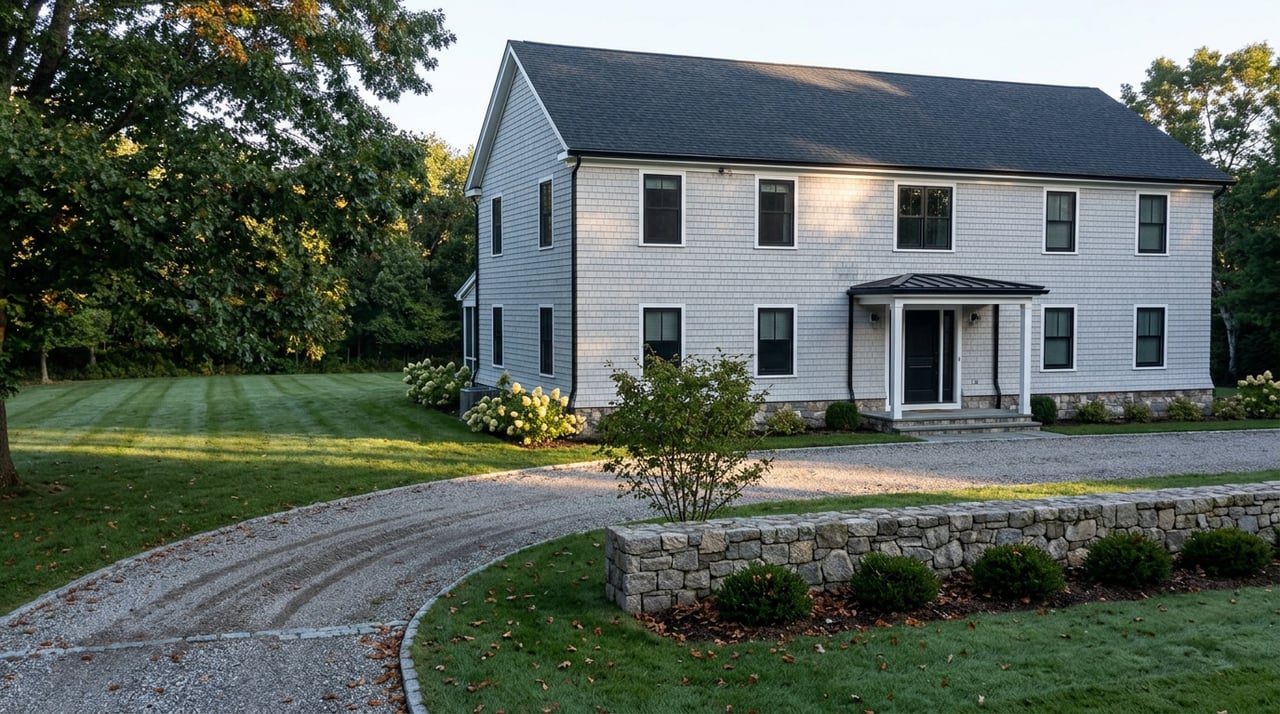
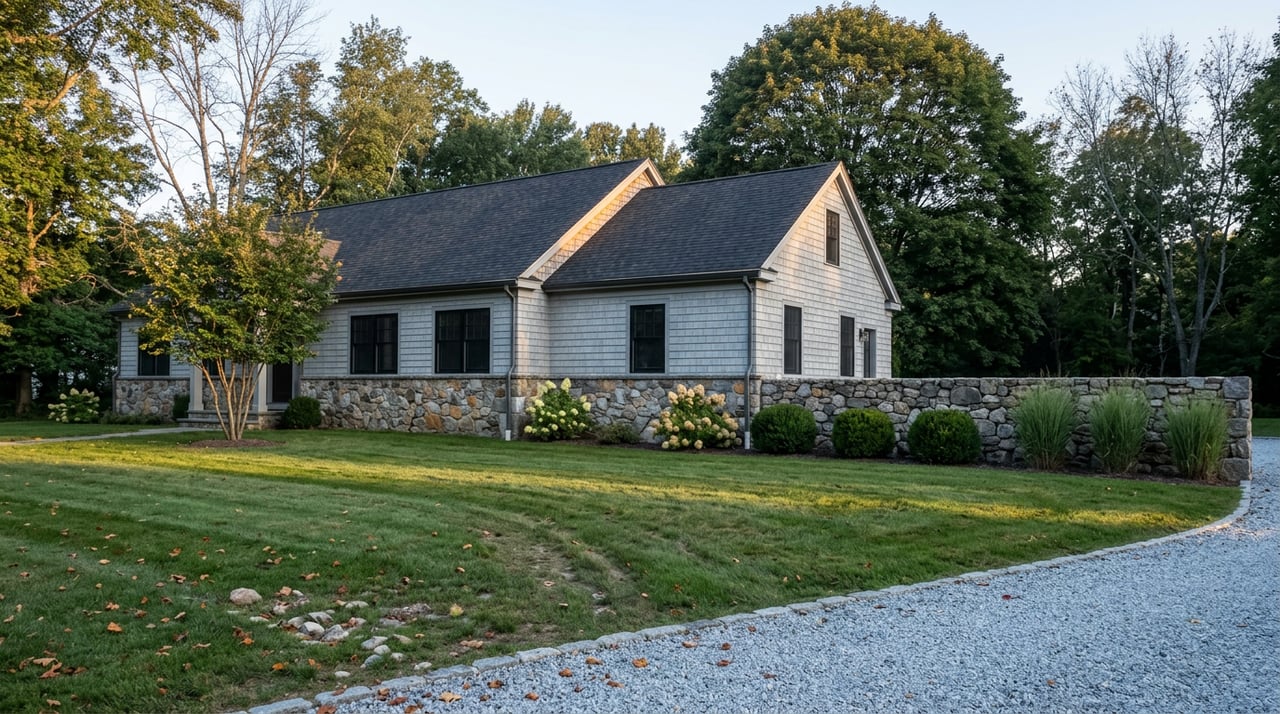
Boost curb appeal
Tidy landscaping, trim shrubs, add fresh mulch, and clean walkways. Power-wash siding and patio areas, touch up peeling paint, and refresh the front door. Make sure house numbers are easy to read and exterior lights work. In winter, keep snow and ice cleared to create safe, visible paths. In spring and summer, highlight outdoor living spaces.
Fix safety and operability items
Handle easy wins first. Repair dripping faucets and running toilets, replace missing outlet covers, and secure loose handrails. Make sure smoke and carbon monoxide detectors have fresh batteries. Replace HVAC filters and confirm the water heater is functioning properly. Keep receipts for any service calls to show a maintenance history.
Consider focused pre-listing checks
A pre-listing inspection can reveal hidden issues, help you choose repairs on your timeline, and reduce surprises later. You can also target specific systems, like roof, septic, or well. There is an upfront cost and discovered issues may become part of negotiations, so weigh the tradeoffs. For septic and well systems in Bedford, review guidance and records maintained by the Town of Bedford Health Department and the New Hampshire Department of Environmental Services.
Gather Key Documents
Mortgage and payoff
Collect your latest mortgage statements and lender contact information. When you are within a few weeks of listing, request a payoff statement. Payoff amounts are date-sensitive, so plan to refresh them close to contract.
Property records and permits
Pull your deed and any surveys or plot plans. Download your most recent property tax bill and the tax card from the Town of Bedford Assessing Office. Gather building permits and certificates of occupancy for any substantial work. If you are unsure about permits, the Bedford Building Department can help you check records.
Systems, utilities, and environmental
For private septic, locate the septic design, pumping and inspection records. For well water, collect well logs and pump or service records. Save recent utility bills for electric, gas, water, and sewer to help plan prorations.
Association documents
If your property is in a condo or HOA, gather bylaws, rules, financial statements, and current fee amounts. Buyers and lenders often review these during due diligence.
Maintenance and warranties
Organize service receipts, appliance manuals, roofing or HVAC warranties, and any inspection reports you have completed. A tidy binder or digital folder helps agents and buyers see value and care.
Plan Disclosures and Safety
Lead-based paint
If your home was built before 1978, be prepared to provide the federal lead disclosure and the EPA/HUD lead safety pamphlet. Your closing attorney or agent will supply the correct forms, but knowing the home’s build year now saves time later.
Oil storage tanks
If you have an oil tank, locate records that show its age, status, or any removal and remediation. Town departments may also have relevant records. Buyers will ask, so gather what you can ahead of time.
Septic and well
Confirm whether your home is on town sewer or a private septic system and gather available records. For septic and well guidance, consult Town of Bedford Health Department resources and the New Hampshire Department of Environmental Services.
Radon
New Hampshire has areas with elevated radon potential. If you are concerned or expect it to be an issue, consider testing before listing so you can address it proactively.
Unpermitted work
If you suspect any past work was done without permits, be ready to discuss next steps with your attorney or agent. Some buyers or lenders may require retroactive permits or remediation.
Know Your Local Contacts
Town of Bedford
The Assessing Office provides tax cards and assessment data. The Building Department can confirm permits and certificates. The Health Department holds certain septic or well records. Public Works can answer sewer and road questions. The Town Clerk can help you understand local recording fees and procedures.
Hillsborough County Registry of Deeds
The Registry is the source of truth for recorded deeds, mortgages, liens, easements, and other land records. Pulling copies early helps you and your agent confirm title details and anticipate any issues.
Market data sources
To understand timing and pricing, look to local sources like Granite State MLS and the New Hampshire Association of REALTORS for accurate sales, inventory, and days-on-market trends. County records can verify closed sale prices. Regional dynamics, including Bedford’s proximity to Manchester and the Greater Boston area, can influence demand.
Utilities and closing attorneys
Confirm your utility providers and account details so you can plan final readings and prorations. New Hampshire commonly uses attorneys for residential closings. Reach out to a few local closing attorneys or title companies for fee quotes before you list.
Budget and Net Proceeds
Typical seller costs in New Hampshire
Plan for the big items: real estate commission, closing attorney or title fees, payoff of any mortgages and liens, and prorated property taxes and utilities. You may also spend on repairs negotiated after inspection. Recording and transfer-related fees vary, so verify with the Town Clerk and the Registry of Deeds.
Create a simple net sheet
Use a preliminary worksheet that shows your current mortgage principal, several commission scenarios, and estimated closing costs. Add an estimate for repairs or credits. When you begin interviews, you can ask agents and local closing attorneys to refine this into a tailored net proceeds estimate based on likely sale price and timing.
Timeline: 8 Weeks to Launch
6 to 8 weeks before listing
- Gather key documents: deed, mortgage statements, tax bill, permits, surveys, HOA materials.
- Schedule major services or inspections if needed: HVAC service, roof check, septic or well inspection.
- Tackle safety and operability fixes: leaks, loose rails, exposed wiring, stuck windows.
- Start decluttering and arrange storage if needed.
4 to 6 weeks before listing
- Complete cosmetic updates: neutral paint in high-traffic rooms, touch up caulk and grout, tighten door hardware.
- Clean and lightly stage core spaces: kitchen, living room, and primary bath.
- Improve curb appeal and plan for landscaping or snow management.
- Consolidate maintenance records and warranties in one folder.
2 to 3 weeks before listing
- Deep clean the entire home and finish staging touches.
- If you did pre-listing inspections, review reports and get bids to decide what to fix or disclose.
- Request updated mortgage payoff statements, noting they are date-specific.
1 week before listing
- Create a home information packet with documents, service records, and manuals.
- Take preliminary photos after cleaning and staging. Your agent will likely schedule professional photos later.
- Make a quick fact sheet of neighborhood features, nearby amenities, and your recent improvements.
Prioritize What Matters
- High priority: safety and operability issues, visible water damage, HVAC reliability.
- Medium priority: neutral interior paint, decluttering, professional cleaning, basic landscaping.
- Lower priority: major renovations that rarely return full cost before a sale unless your market strongly demands them.
Interview Agents With Confidence
When you are ready to talk with agents, your prep work gives you the advantage. Share your document packet, inspection summaries, and maintenance records. Ask for a clear pricing strategy, a marketing plan with professional photography, and a realistic timeline. Request a net proceeds estimate based on current Bedford comps and discuss negotiation strategies for inspections and appraisal. You will feel the difference a prepared seller makes from the first meeting.
Ready to talk through your plan?
If you want disciplined, hands-on guidance tailored to Bedford and southern New Hampshire, reach out to Chris Pascoe. You will get direct communication, transparent advice, and a methodical plan to price, market, and negotiate for the best result.
FAQs
Should I get a pre-listing inspection in Bedford?
- Consider it if you suspect hidden issues or want control over repairs; it can reduce surprises later but comes with upfront cost and possible negotiation impact.
How do I estimate net proceeds for a Bedford sale?
- Gather your mortgage payoff, current tax bill, commission scenarios, and closing fee quotes from local attorneys or title companies, then build a simple net sheet.
What disclosures are required for New Hampshire sellers?
- New Hampshire does not mandate a single statewide seller disclosure form; federal lead rules apply for pre-1978 homes, and local practices are guided by attorneys and agents.
What if renovations were done without permits in Bedford?
- Be ready to disclose and discuss with your attorney or agent; some buyers or lenders may require retroactive permits or remediation.
How long will a Bedford home take to sell?
- Timing depends on current market conditions; check Granite State MLS and New Hampshire Association of REALTORS data for up-to-date days on market and inventory.
Who typically pays closing costs in New Hampshire?
- Sellers usually pay commission, their share of attorney or title fees, prorated taxes and utilities, and any agreed repairs; title insurance payment varies by transaction.